


Press Enter to search

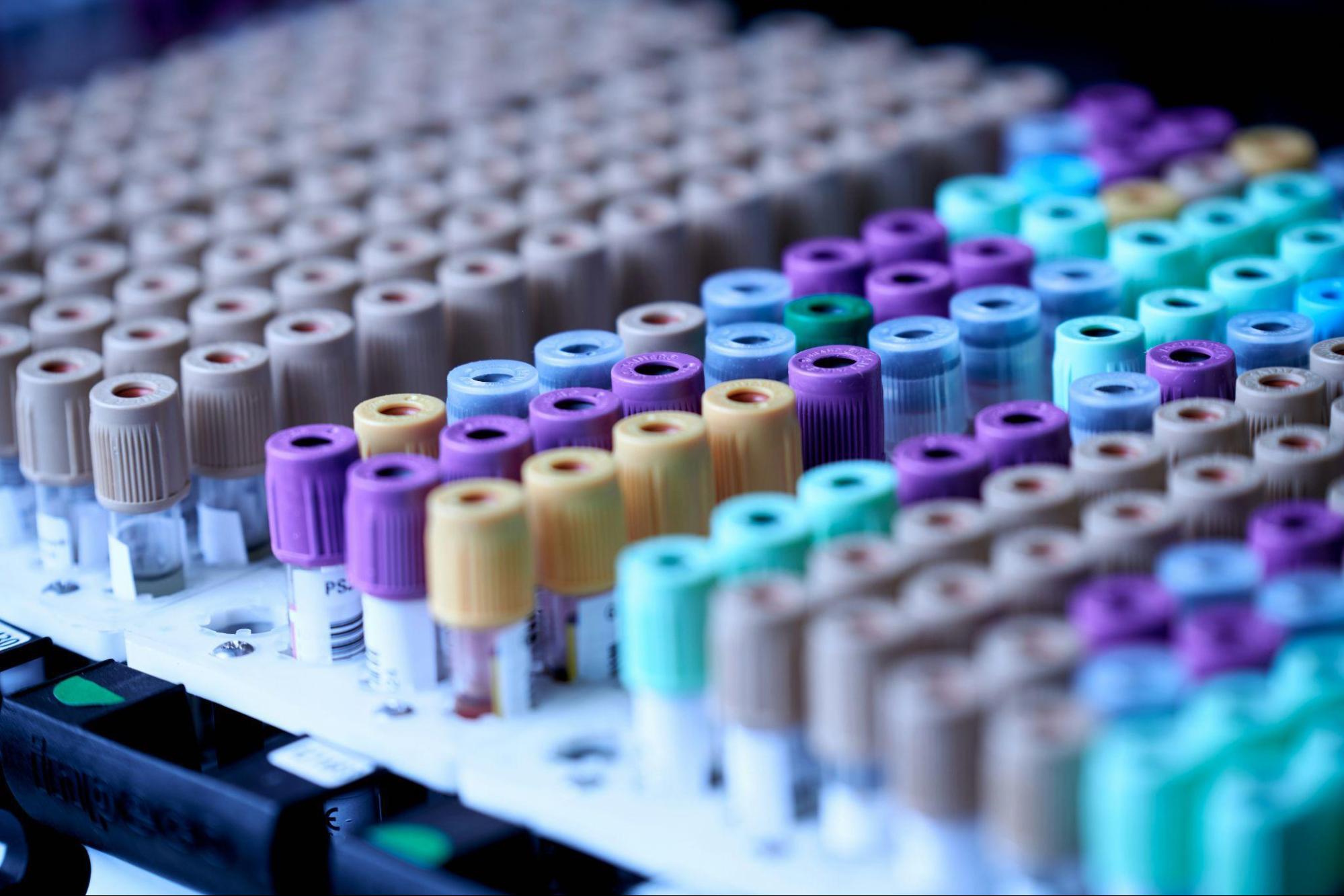
A mislabeled tube or a draw performed out of sequence rarely looks dramatic in the moment — but it can mean a rejected specimen, a redraw, or a result that quietly steers a clinical decision the wrong way. For nurses, phlebotomists, and lab staff, knowing which tube to use, in what order, and why, is one of the highest-leverage skills in the preanalytical phase.
Most phlebotomy training happens during orientation — a few intense days of instruction followed by months of on-the-job practice with minimal structured feedback. The result: bad habits calcify. Needle angles drift. Flashback checks get rushed. Tube order gets fuzzy under pressure.
Most laboratory directors and phlebotomy supervisors think about hemolysis and redraws in clinical terms — compromised specimens, delayed results, frustrated patients. Finance teams think in dollars. Bridging that language gap is how you get budget approval for better equipment, standardized workflows, and sharps safety upgrades. This post gives you a straightforward total cost of ownership (TCO) framework that translates everyday phlebotomy inefficiencies into the numbers a Chief Financial Officer (CFO) will actually read.
Demand for off-site blood collection is climbing on every front. Hospital-at-home programs, Medicare Advantage in-home assessments, employer wellness draws, clinical trial home visits, skilled nursing facility (SNF) routes, and concierge laboratory services are all pushing more specimens out of fixed draw stations and into living rooms, conference rooms, and parked vans. The Centers for Medicare & Medicaid Services (CMS) Acute Hospital Care at Home waiver, extended again in recent reauthorizations, has made the model permanent enough for serious capital investment.
A mislabeled tube is not a paperwork mistake. It is a direct line to the wrong transfusion, the wrong diagnosis, a delayed treatment, or a sentinel event. The College of American Pathologists (CAP) Q-Tracks studies have consistently shown specimen identification errors affecting roughly 1 in every 1,000 specimens across participating laboratories—a rate that sounds small until you multiply it across the millions of tubes drawn every day.
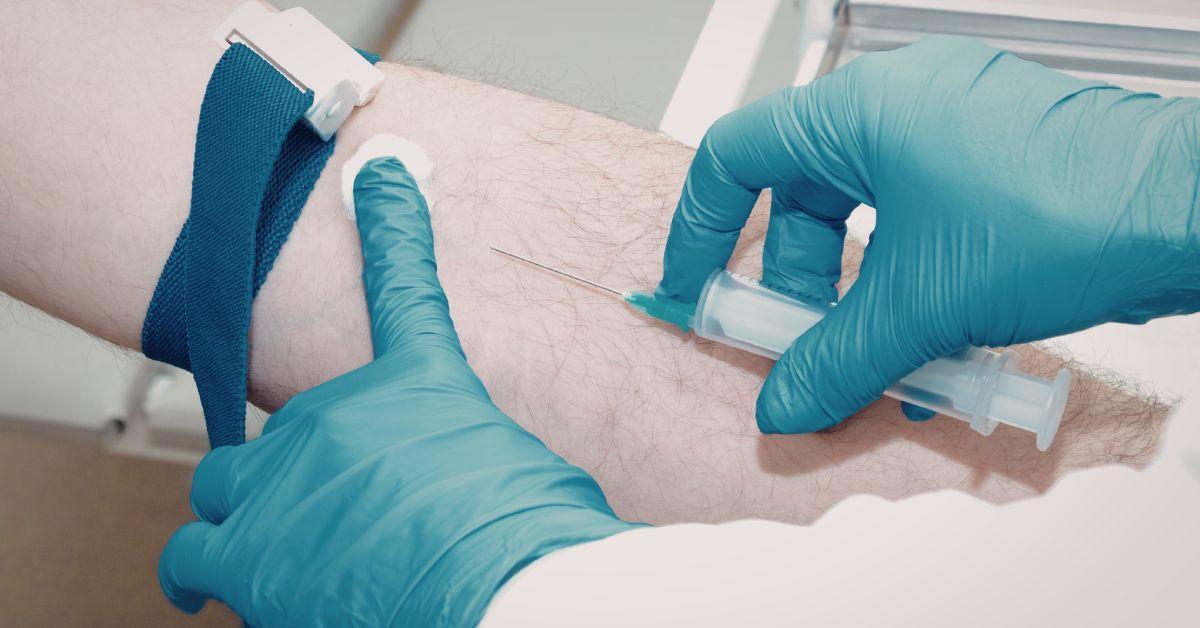
Evacuated tube systems are the gold standard for routine venipuncture, but clinical reality frequently demands otherwise. Patients with difficult venous access, pediatric draws, peripheral IV line collections, and certain point-of-care settings all require a syringe-based approach followed by manual transfer of the sample into collection tubes. This step carries well-documented risks—both to healthcare workers and to the integrity of the specimens being collected.
Blood collection is one of the most frequently performed clinical procedures across hospitals, diagnostic laboratories, outpatient clinics, and mobile healthcare services. Despite being routine, venipuncture remains highly technique-sensitive. Small procedural errors can compromise specimen quality, delay diagnosis, and require costly redraws.
A culture of safety in blood collection is not a slogan on a poster or a line in a compliance manual. It is the set of everyday behaviors, decisions, and tools that protect patients and healthcare workers from avoidable harm. Policies matter, but culture determines whether those policies are followed when the room is busy, the patient is anxious, and the schedule is tight.
Medical devices used in daily healthcare, such as blood collection needles and safety sets, are only as effective as their usability at the front lines. Bridging the gap between user input and product design is crucial in healthcare. The pechange the meta descriptions for the list of blogs I shared with youople who use devices every day have invaluable insights into what works and what doesn’t.
Blood collection devices may appear simple on the surface, but their design is the product of countless clinical decisions, real-world constraints, and safety considerations. Behind every grip texture, visual cue, and activation mechanism is a deliberate process aimed at reducing errors, improving first-stick success, and protecting both patients and clinicians.
Blood collection devices sit at the intersection of patient safety, occupational health, and diagnostic accuracy. As regulatory expectations continue to evolve, laboratories and healthcare facilities must ensure that the devices they use are not only clinically effective, but also fully compliant with U.S. and applicable global standards. In 2026, regulators are placing increased emphasis on risk management, labeling clarity, material safety, and post-market oversight — making regulatory literacy a practical necessity, not just a procurement concern.
Difficult blood draws are an unavoidable reality in clinical practice. Small or rolling veins, dehydration, pediatric patients, and chronic illness all increase the likelihood of failed venipuncture attempts. When first-stick success drops, the consequences extend beyond patient discomfort — delays in diagnosis, compromised sample quality, increased sharps exposure, and staff frustration quickly follow.
Blood collection is one of the most common clinical procedures, yet it remains one of the most nuanced. The choice between a syringe draw and an evacuated tube system (ETS) is rarely arbitrary — it directly influences first-stick success, specimen integrity, sharps safety, and overall workflow efficiency. While both methods are widely used, understanding where each excels can help facilities standardize smarter, safer blood collection protocols across patient populations and care settings.
Choosing between syringe and the evacuated tube system (ETS) is not a preference—it’s a clinical decision that affects sample quality, staff safety, throughput, and total cost. Use the ETS to standardize and scale. Use syringes when veins won’t tolerate vacuum. In both cases, reduce touch points, follow IFUs, and deploy the right accessories (safety tube holders and closed blood transfer devices) to protect people and specimens.
Hemolysis is a leading cause of rejected specimens and redraws. In high‑throughput hospital settings, even a small reduction can reclaim hours of staff time and improve turnaround. This guide focuses on chair‑side techniques, IFU‑aligned training, and device selection to reduce hemolysis in blood collection while maintaining speed and safety.
Hospitals don’t really buy “needles”—they buy outcomes. In 2025, the best blood collection sets for hospitals are the ones that consistently reduce needlestick risk, raise first-stick success, lower hemolysis, and improve the true total cost of care.
In blood collection, “cheapest” and “best value” are rarely the same thing. A device’s sticker price ignores costs that matter more to patients and operations—injury risk, redraws, and lost minutes at the bedside. When you model the Total Cost of Safety (TCS) you can justify safety-engineered devices with a business case that stands up to Value Analysis, Supply Chain, and Finance.
Supply disruptions and system outages expose vulnerabilities in blood collection processes- ranging from fragmented device choices and inconsistent techniques to mismatched cart setups across units and improvised substitutions during backorders. The result is foreseeable—more redraws, more sharps waste, and more stress on staff and patients. A resilient, sustainable program flips the script by standardizing devices, codifying inventory logic, and rehearsing downtime, so care continues smoothly—even when operations don’t. This playbook defines a framework for establishing an emergency-ready, low-waste blood collection program leveraging on RELI® devices, validated inventory management protocols, and simple drills that can be standardized across units.
In today’s healthcare environment, patient experience is as important as clinical accuracy. For many patients, a blood draw can be one of the most anxiety-provoking moments of a visit. Their comfort and trust not only shape how they perceive the procedure but also influence their willingness to return for future care.For providers, this means that phlebotomy isn’t just a technical skill — it’s a patient-facing experience. Listening to the voice of the patient helps us understand their concerns and guide every step: technique, communication, and even the choice of blood-collection devices.
Choosing the right blood collection device is critical to ensuring both patient safety and clinical efficiency. The ideal device minimizes the risk of needlestick injuries, improves sample quality, and enhances workflow across various care settings. MYCO Medical's RELI® blood collection portfolio offers multiple solutions designed to meet these needs. In this guide, we'll walk you through how to evaluate and select the best option for your facility.
Capillary blood collection is a widely used method for obtaining blood samples, particularly in pediatric, geriatric, and outpatient settings. It is minimally invasive, quick, and cost-effective, making it ideal for point-of-care testing. However, ensuring both safety and accuracy during procedures such as fingersticks or heelsticks requires careful consideration of tools, technique, and patient-specific factors (1).
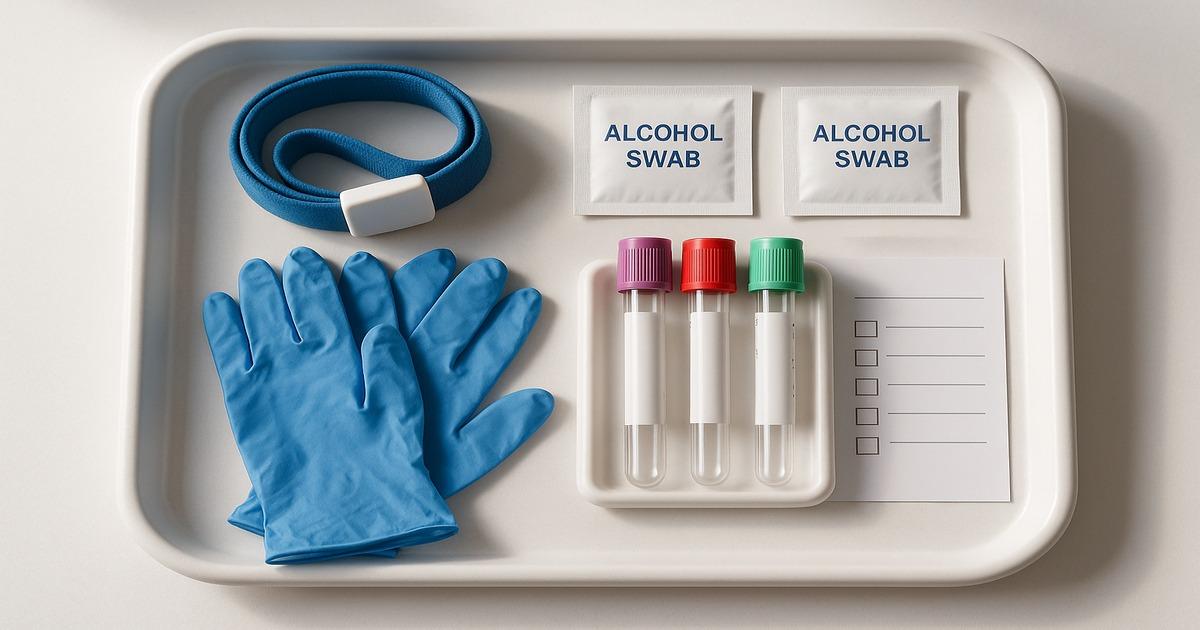
Ensure safe and efficient blood collection by following PPE protocols, proper hand hygiene, workspace preparation, needle handling, and sharps disposal to protect healthcare workers and patients from risks like bloodborne pathogens.
When it comes to blood collection, selecting the right tools is essential for ensuring a smooth and efficient process. Whether you're a healthcare professional, a lab technician, or an individual managing home-based testing, the proper blood collection products can significantly enhance comfort and safety. In this guide, we'll walk you through everything you need to know to choose the best tools for blood collection.
Effectively collecting blood samples from young patients requires specialized techniques, a child-centered approach, and careful consideration of their developmental stage and individual needs. In this article, we will explore the specialized techniques and considerations for pediatric blood collection, aimed at promoting patient comfort, minimizing anxiety, and ensuring sample integrity.
Blood collection, an essential part of healthcare, is crucial for many different conditions to be diagnosed and monitored. However, there are risks associated with this common procedure, including the possibility of needlestick injuries and exposure to bloodborne pathogens. In addition to posing a risk to medical personnel, these hazards can also compromise blood sample quality and reduce the accuracy of the overall diagnostic process.
Blood collection is an essential procedure in both diagnostic and therapeutic processes in healthcare. Historically, the development of blood collection methods has paralleled advances in medical science, evolving from rudimentary techniques to today’s sophisticated methods that prioritize patient safety and diagnostic accuracy. This evolution has been driven by a greater understanding of diseases and enhanced by technological innovations that aim to minimize discomfort and maximize efficiency.
Blood collection procedures are essential for diagnostic and monitoring purposes in healthcare settings. However, for many patients, the experience can be distressing and anxiety-inducing. Addressing patient anxiety and discomfort during blood collection is crucial for ensuring a positive healthcare experience and promoting patient compliance with necessary...
In the rapidly advancing healthcare field, MYCO Medical offers an extensive array of cutting-edge Blood Collection Products. Our commitment goes beyond the ordinary, providing innovative solutions m...

.jpg)
.jpg)
.png)
.png)
.jpg)
.jpg)


.jpg)
.png)
%20(1).png)
.jpg)
.png)
.png)
.png)
.png)
.jpg)
.png)

.png)
%20(1).png)
.jpg)
.png)
.jpg)
.png)