


Your Trusted Supplier for Medical Devices & Disposables
Delivering high-quality medical supplies to health systems nationwide for 30+ years
Delivering high-quality medical supplies to health systems nationwide for 30+ years
The Reli® Push Button Safety Blood Collection Set features one-handed activation with an audible click for secure needle retraction, enhancing safety, control, and efficiency while reducing the risk of needlestick injuries.


The new EZ-Flash® technology on our Reli® Safety Blood Collection Sets enables immediate visualization of flash in front of the butterfly and direct verification of vein entry while holding the wings, improving efficiency and accuracy while reducing user hesitancy and errors.
%20-%201000W.png)
RELI® Blood Transfer Devices from MYCO Medical are manufactured to strict quality standards and contain unique features to help improve clinical performance, safety, and ease of use. The transfer devices are OSHA compliant and are compatible with blood collection sets or conventional syringes.

RELI® Safety and Conventional Hypodermic Needles from MYCO Medical are manufactured to strict quality standards designed to help improve clinical performance, safety, and ease of use, featuring a proprietary regular needle wall design for enhanced flow and durability.

Reli® Blunt Fill Needles eliminate the use of a sharp when reconstituting medication, while maintaining compatibility with most syringes available in the market.


We offer a wide range of high-quality affordable medical devices and disposables, ranging from needles, syringes, blades and scalpels to sharps safety systems, that meet the diverse needs of our customers and partners. Our products are carefully sourced and are manufactured to our high quality standards centered around safety, performance, reliability, and comfort.


We are your trusted medical supplier and committed partner to help navigate today’s healthcare world. For more than 30 years, we have helped US hospitals, health systems, and clinics overcome their supply chain challenges and bridge the gap between quality and cost savings through the delivery of high-quality affordable medical devices and disposables.

We are a certified Diversity Supplier and award-winning Minority Owned Small Business, delivering high-quality "physician preference" medical devices and disposables to the US healthcare system for more than 30 years.

We serve a prestigious client base of major health systems, group purchasing organizations integrated hospital networks, care centers, distributors and more


.png)

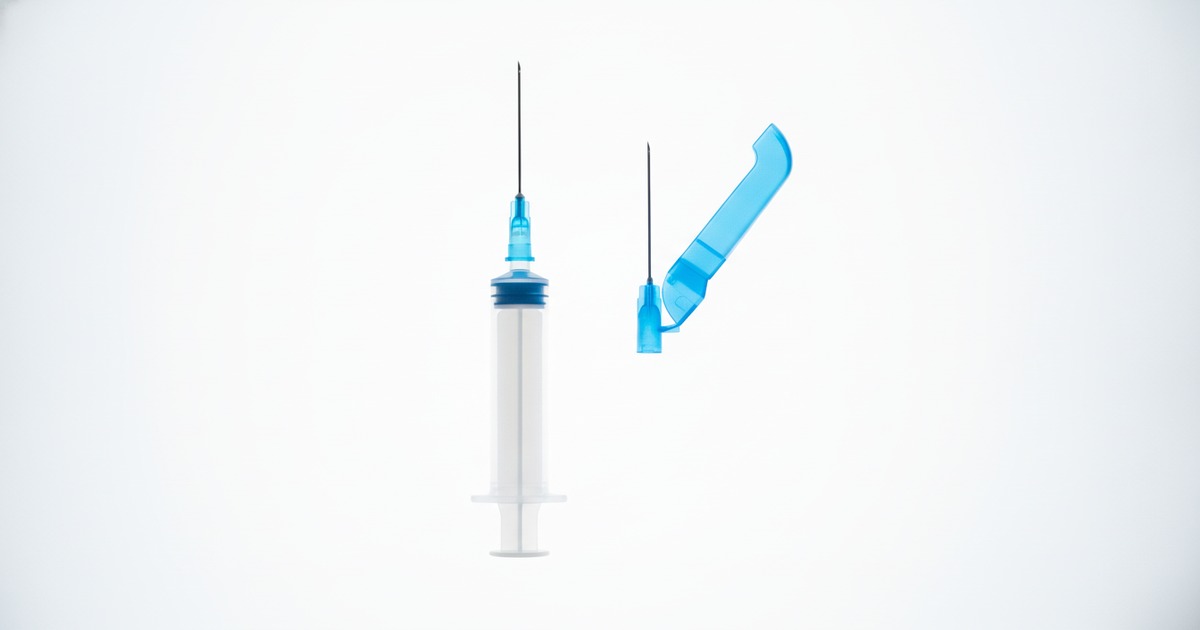
A safety syringe that "did not retract." A shield that "got in the way." A needlestick with a safety device in hand. When entries like these fill a sharps injury log, the device takes the blame. Surveillance data tell a different story: most injuries involving safety-engineered devices happen before or without activation. This guide covers how safety syringes and retractable needles work, what separates passive from active designs, and how to evaluate a device before standardizing on it.
%20(1).jpg)
A blood draw that will not flash, an injection that stings more than it should, a needle that "felt dull" going in. When these reports reach a clinical educator or supply manager, the needle usually gets the blame. Often the real variable is the bevel: the angled, ground surface at the tip, how it was oriented, and what it touched before it reached the patient. This guide covers what the bevel does, when to orient it up or down, and what happens to a tip on the way in.
.jpg)
A dark fleck at the bottom of a vial, or a speck drifting in a freshly drawn syringe, is an unsettling sight during medication preparation. In most cases it is coring: a fragment of the rubber vial stopper sheared off by the needle on the way in. Attention to it is growing. In 2025 the American Society of Retina Specialists (ASRS) published a safety report after members reported cored stoppers in drug vials, and MYCO Medical has fielded more customer questions about stopper fragments in recent months. This guide covers why it happens, how to spot it, and what to change when it does.

.jpg)


