Explore our content library discussing our company and products, including company news, press releases, case studies, events, blogs, and more
May 21
Nashville, TN
April 25-26
Omni PGO Frisco 4341 PGA Pkwy Frisco, TX 75033
May 13-16, 2024
Gaylord Opryland 2800 Opryland Drive Nashville, TN 37214
In the last twenty years, federal legislation requiring the use of sharps devices with safety features has had a major impact on healthcare worker safety in the United States. Healthcare workers' (HCWs) occupational exposure to bloodborne pathogens has been reduced owing in large part to these legislative actions as well as a wide range of preventative interventions. Within the high-pressure environment of the operating room, where every decision can impact patient outcomes, prioritizing the safety of HCWs is essential for delivering optimal care. The importance of safety-engineered medical equipment goes beyond the safety of healthcare workers and patients. Its significance is highlighted in MYCO Medical’s innovative solutions in their blades and scalpels.
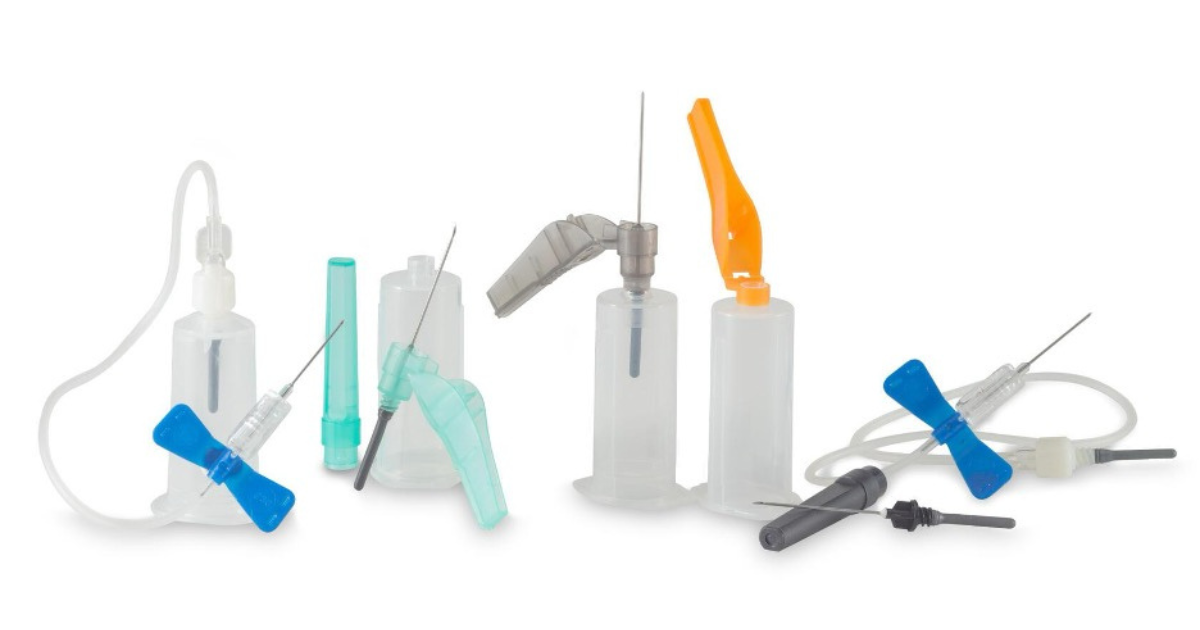
Blood collection is an essential procedure in both diagnostic and therapeutic processes in healthcare. Historically, the development of blood collection methods has paralleled advances in medical science, evolving from rudimentary techniques to today’s sophisticated methods that prioritize patient safety and diagnostic accuracy. This evolution has been driven by a greater understanding of diseases and enhanced by technological innovations that aim to minimize discomfort and maximize efficiency.
The field of surgery is constantly evolving—with a focus on maximizing recovery and improving patient outcomes. As surgical techniques become more complex and minimally invasive, there is a growing need for innovative suturing methods. Advanced suturing solutions have revolutionized modern surgery, offering a range of benefits that enhance surgical efficiency and advance patient care.