


Press Enter to search


Few facilities convert to safety-engineered devices overnight. Contracts expire on different dates, departments carry different budgets, backorders arrive out of sequence, and some procedures keep conventional devices longer than others. The predictable result is a mixed fleet — conventional and safety-engineered devices in use at the same time, sometimes on the same unit and occasionally in the same supply drawer.
.jpg)
A mislabeled tube or a draw performed out of sequence rarely looks dramatic in the moment — but it can mean a rejected specimen, a redraw, or a result that quietly steers a clinical decision the wrong way. For nurses, phlebotomists, and lab staff, knowing which tube to use, in what order, and why, is one of the highest-leverage skills in the preanalytical phase.
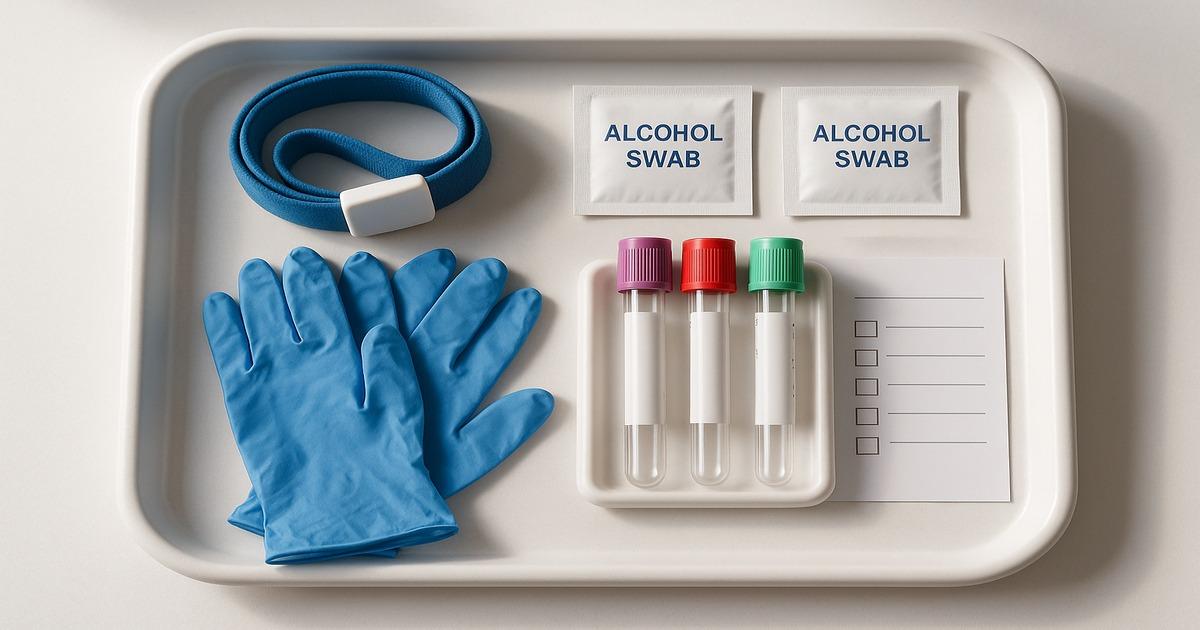
Most phlebotomy training happens during orientation — a few intense days of instruction followed by months of on-the-job practice with minimal structured feedback. The result: bad habits calcify. Needle angles drift. Flashback checks get rushed. Tube order gets fuzzy under pressure.
.png)
Safety scalpels have become a standard recommendation across surgical and procedural settings — and for good reason. They reduce the risk of sharps injuries, support OSHA Bloodborne Pathogens Standard compliance, and reduce cross-contamination risks associated with reusable handles. But despite clear safety advantages, adoption remains uneven across healthcare facilities.
.jpg)
Most laboratory directors and phlebotomy supervisors think about hemolysis and redraws in clinical terms — compromised specimens, delayed results, frustrated patients. Finance teams think in dollars. Bridging that language gap is how you get budget approval for better equipment, standardized workflows, and sharps safety upgrades. This post gives you a straightforward total cost of ownership (TCO) framework that translates everyday phlebotomy inefficiencies into the numbers a Chief Financial Officer (CFO) will actually read.
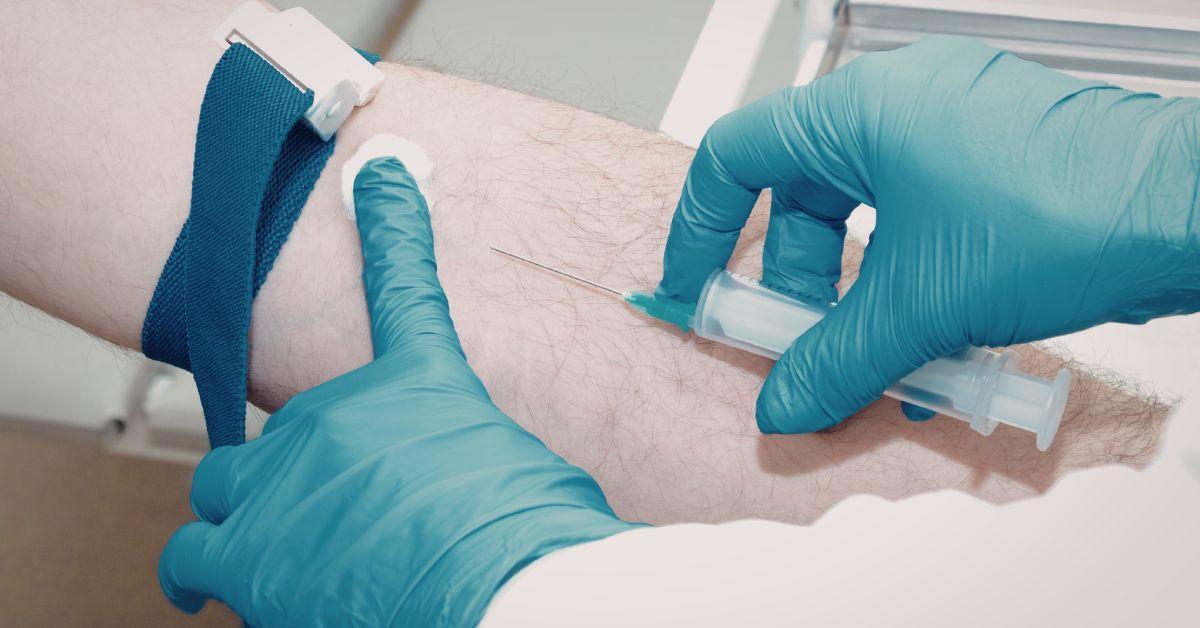
A culture of safety in blood collection is not a slogan on a poster or a line in a compliance manual. It is the set of everyday behaviors, decisions, and tools that protect patients and healthcare workers from avoidable harm. Policies matter, but culture determines whether those policies are followed when the room is busy, the patient is anxious, and the schedule is tight.
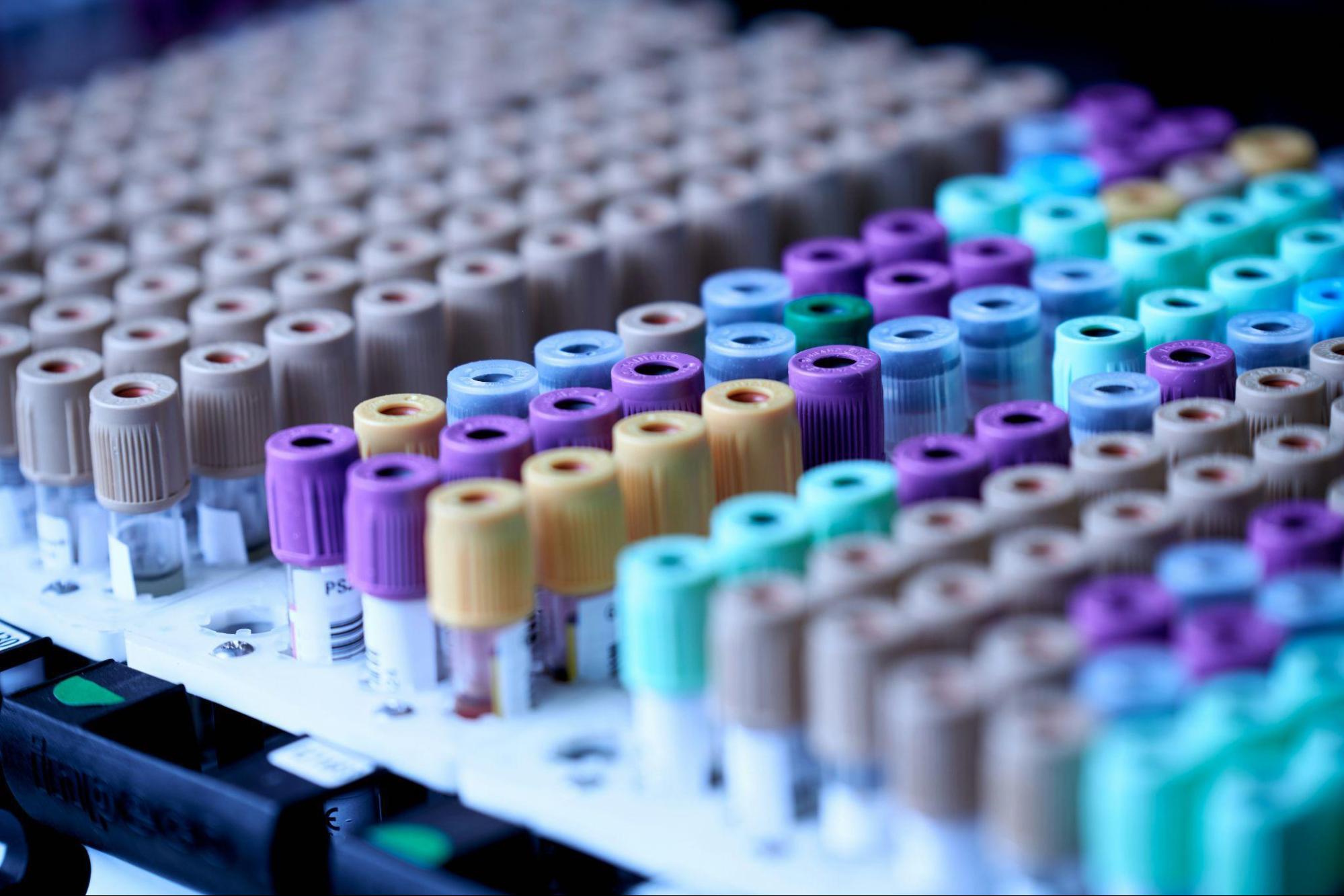
Medical devices used in daily healthcare, such as blood collection needles and safety sets, are only as effective as their usability at the front lines. Bridging the gap between user input and product design is crucial in healthcare. The pechange the meta descriptions for the list of blogs I shared with youople who use devices every day have invaluable insights into what works and what doesn’t.
.jpg)
Difficult blood draws are an unavoidable reality in clinical practice. Small or rolling veins, dehydration, pediatric patients, and chronic illness all increase the likelihood of failed venipuncture attempts. When first-stick success drops, the consequences extend beyond patient discomfort — delays in diagnosis, compromised sample quality, increased sharps exposure, and staff frustration quickly follow.
.png)
Blood collection is one of the most common clinical procedures, yet it remains one of the most nuanced. The choice between a syringe draw and an evacuated tube system (ETS) is rarely arbitrary — it directly influences first-stick success, specimen integrity, sharps safety, and overall workflow efficiency. While both methods are widely used, understanding where each excels can help facilities standardize smarter, safer blood collection protocols across patient populations and care settings.
